THE STORY BEHIND: Mvt. I of M. Haydn's Symphony No.25
Share
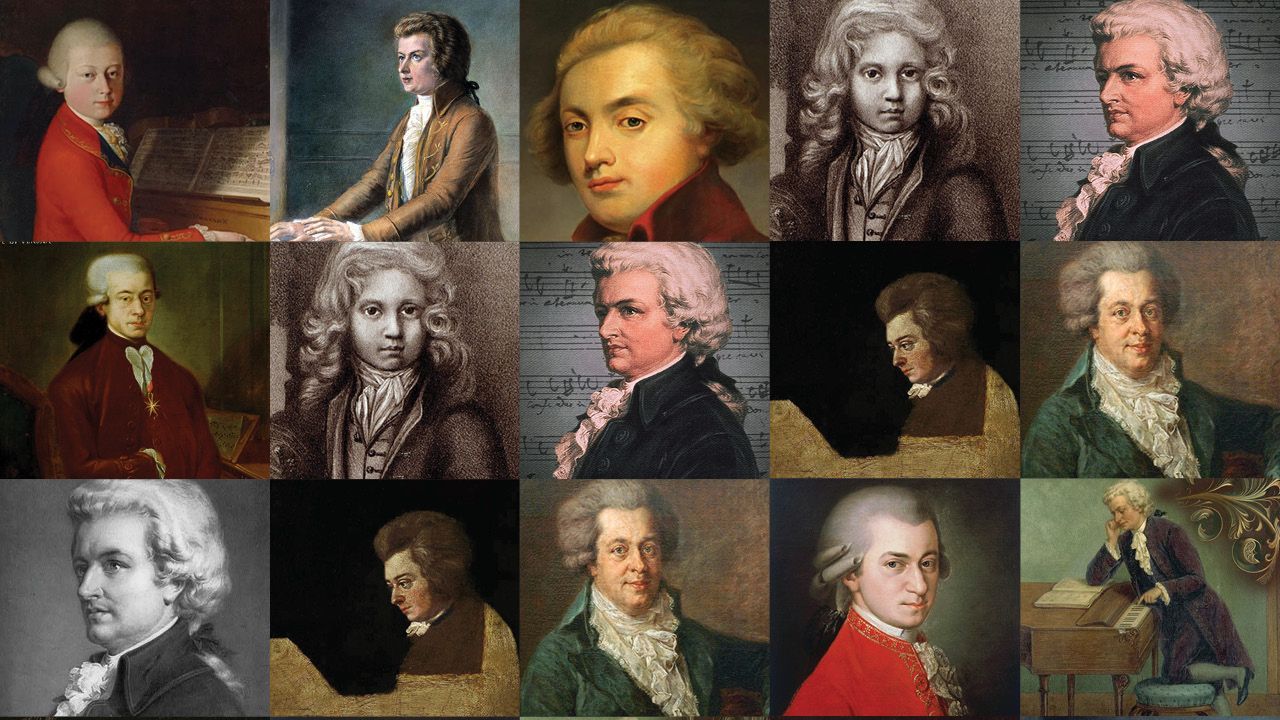
On April 11, conductor Ken-David Masur and the Rhode Island Philharmonic Orchestra will present ALL MOZART with pianist Robert Levin.
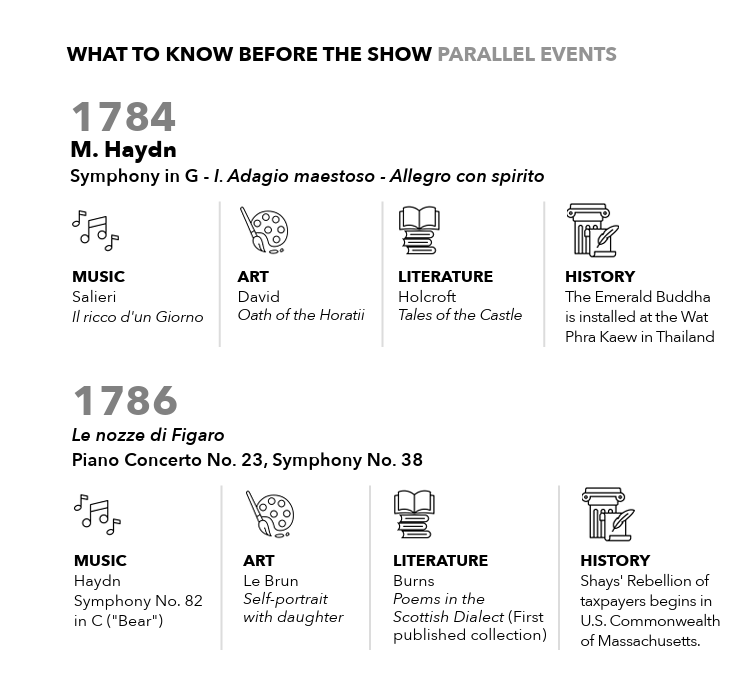
Title: Symphony No.25 in G major, K. 183 (with an introduction by Mozart) - I. Adagio maestoso - Allegro con spirito
Composer: Michael Haydn (1737-1806)
Last time performed by the Rhode Island Philharmonic: This is a RI Philharmonic Orchestra premiere. This piece is scored for flute, two oboes, two horns and strings.
The Story: While Johann Michael Haydn was cutting his teeth as a composer, the symphony, as a form, was developing from mere instrumental interludes for opera and theater to the grand form we know and love today. Five years younger than his brother Franz Joseph Haydn, Johann Michael was not only an eyewitness to this bit of genre bending, he contributed to it. A gifted young musician, he started contributing to the family coffers at the age of 12 as a substitute organist at St. Stephen's Cathedral in Vienna, where occasional performances of his original preludes and fantasies became the talk of the town. At the age of 23 he was named music director of the Großwardein Orchestra, and proceeded to compose prolifically - both sacred and secular music – producing a body of work that was largely regarded as every bit as good as that of his more famous brother. After a notable performance of his music at Mirabell Castle in Salzburg, he was quickly engaged as the music director at the Salzburg court, a position he occupied until his death. It was there that he met, and impressed, Mozart.
Of Michael Haydn’s almost 150 instrumental works (not to mention hundreds of other choral and liturgical works), 41 of them were symphonies. Haydn’s
25th
symphony was, for a time, mistakenly attributed to Mozart because the latter had (in a nod of respect) added an introduction to the symphony and included it in a concert of his own music in Linz in 1783. It was not until 1907 that the mistake was discovered, and the work was reattributed to its rightful composer. But Mozart’s introduction - an Adagio maestoso in triple time that ends on a lingering, unresolved chord - added such a compelling touch of grace and pathos to the work that it is rarely performed without it today.
Program Notes by Jamie Allen © 2025 ALL RIGHTS RESERVED.
Tickets start at $25! Click HERE or call 401-248-7000 to purchase today!