THE STORY BEHIND: J. Strauss' "The Beautiful Blue Danube"
Share
On January 24, Music Director Ruth Reinhardt and the Rhode Island Philharmonic Orchestra will present THE BLUE DANUBE with violinist Charles Dimmick.
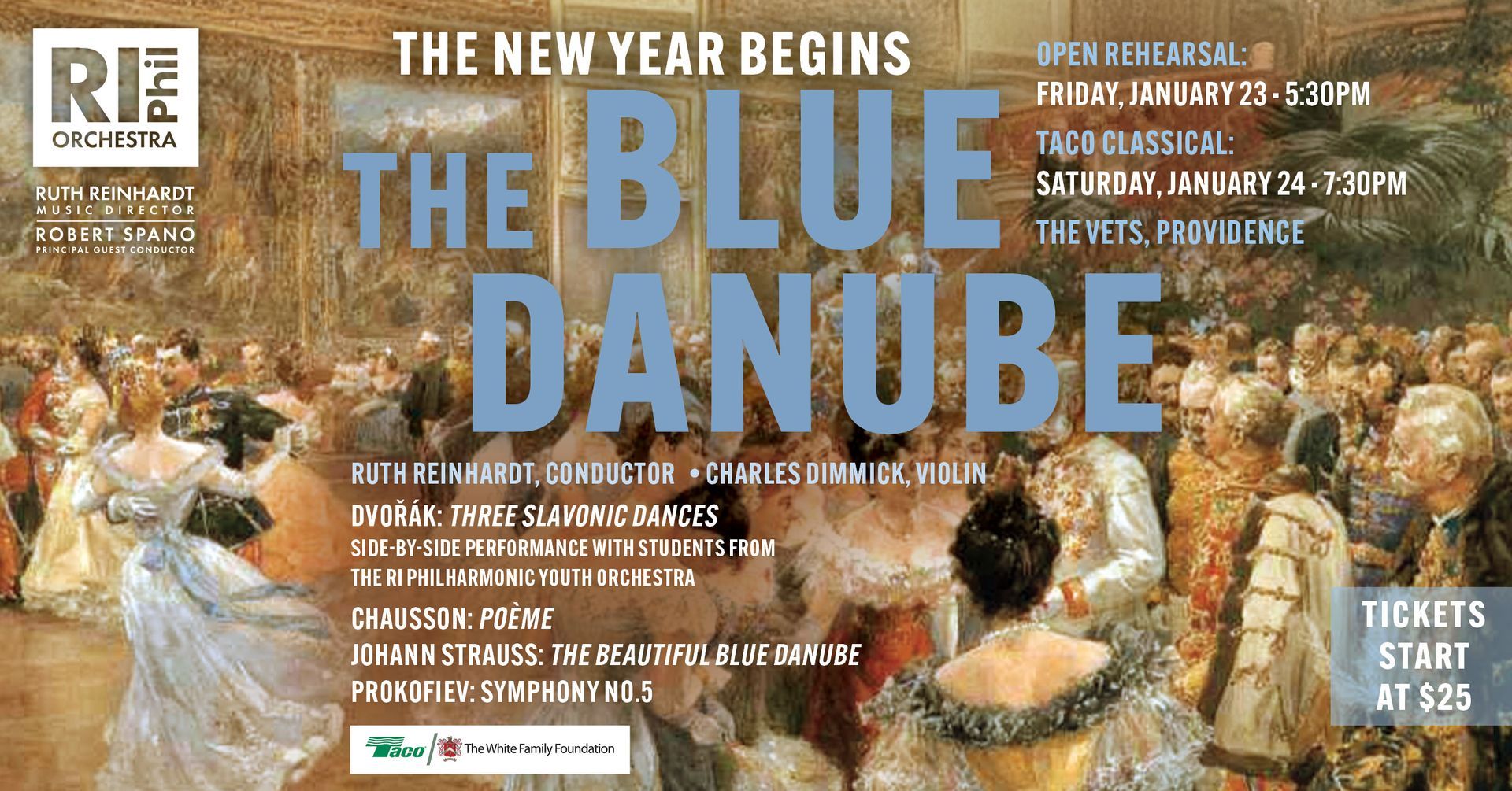
Title: The Beautiful Blue Danube, op.314
Composer: Johann Strauss (1825-1899)
Last time performed by the Rhode Island Philharmonic:
Last performed January 26, 2019 with Tania Miller conducting. This piece is scored for piccolo, two flutes, two oboes, two clarinets, two bassoons, four horns, two trumpets, trombone, tuba, timpani, percussion, harp and strings.
The Story: While Johann Strauss, the elder, may have played an instrumental role in building - and capitalizing upon – the insatiable appetite for waltzes in
19th
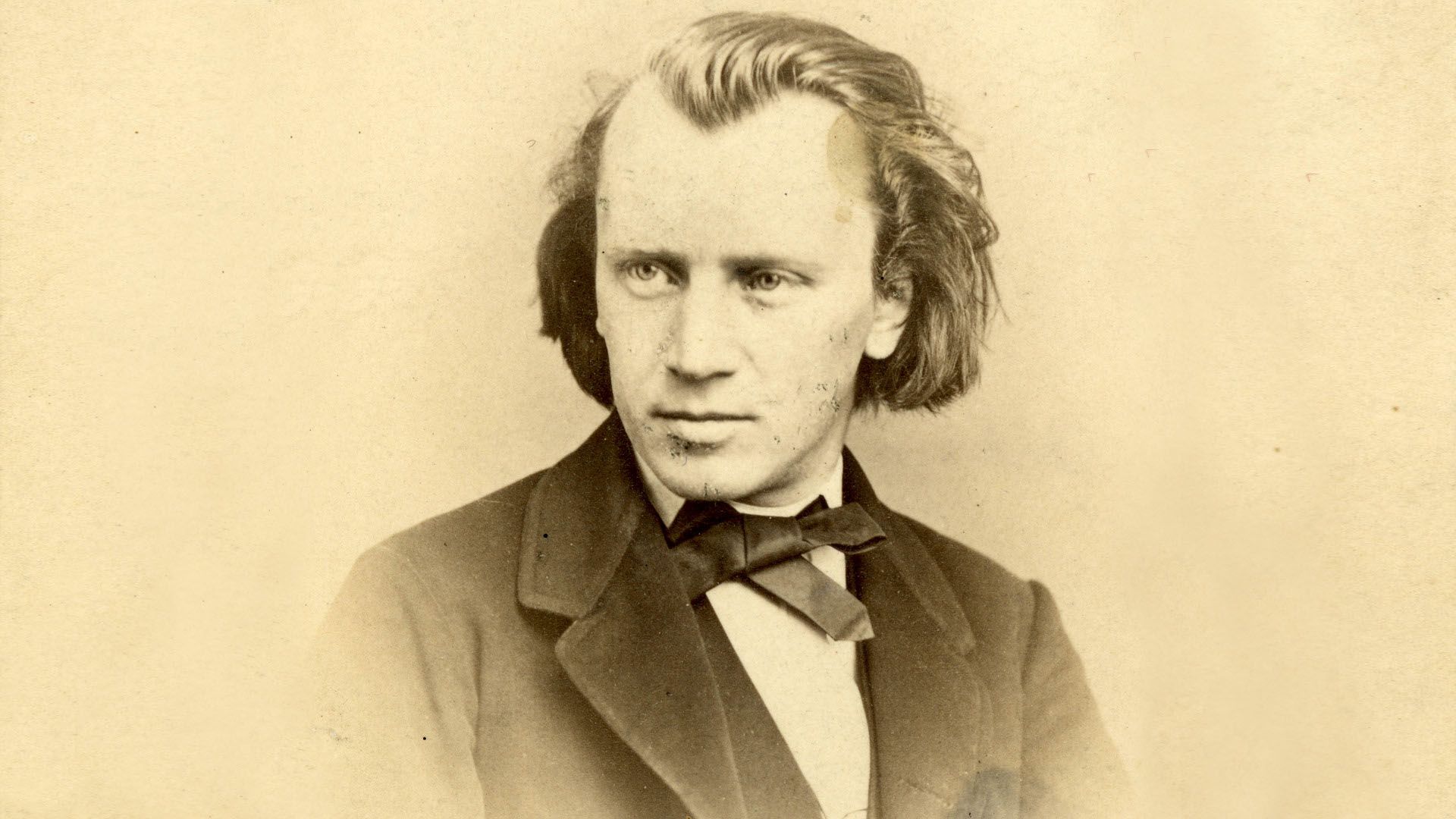
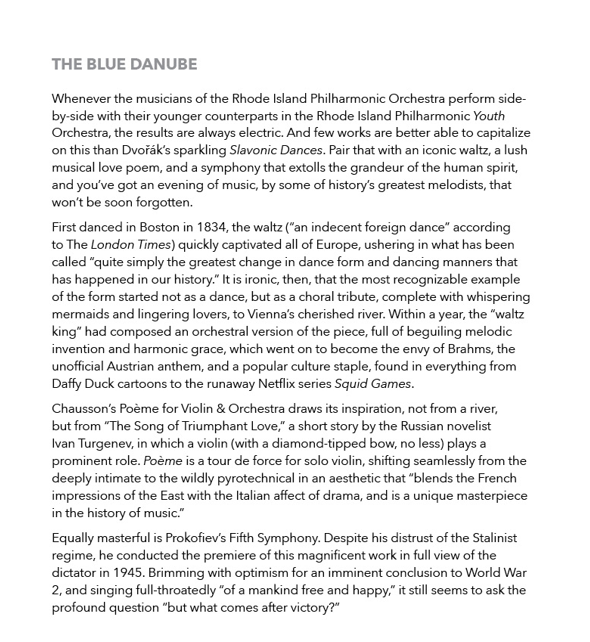
century Austria, it was his son, Johann Strauss II, who provided us with most of the waltzes we still know and love today. With an unparalleled gift for melodic invention, harmonic grace, and rhythmic verve, Strauss II garnered the sincere praise of no less a figure than Brahms, who once wrote of The Beautiful Blue Danube that it was “unfortunately, not by Brahms.”
This unmistakable symbol of joy and celebration begins with shimmering strings and a foreshadowing horn call, followed by a pensive response in the winds, all invoking a sense of “sunrise on the river,” before the first melody emerges in its entirety. There are, in fact, a total of five separate melodies that make up
The Beautiful Blue Danube. Some more romantic, some more joyous; some major, some minor; some featuring the harp, some featuring crashing cymbals. But as they gracefully move from one to the next, they unified by such a subtle and logical connection of stylistic elements that each change of tune goes by almost imperceptibly.
One of the most tantalizing features of any waltz performance is the einschliefen, or a slowing down of the tempo that makes the music appear to hover in space for a moment before continuing on. One might think that this effect could work only when an orchestra performs without dancers, but it was actually a natural and highly anticipated part of any Viennese ball, as if the revelers took this moment to catch their collective breaths.
Program Notes by Jamie Allen © 2025 ALL RIGHTS RESERVED.
Recommended Recordings:
The Blue Danube has been recorded by many, and there are two supple recordings by the great but elusive maestro Carlos Kleiber, recorded live by Sony at Vienna Philharmonic's New Year's Day concerts in 1989 and 1992.
Tickets start at $25! Click HERE or call 401-248-7000 to purchase today!