THE STORY BEHIND: Chausson's "Poème"
Share
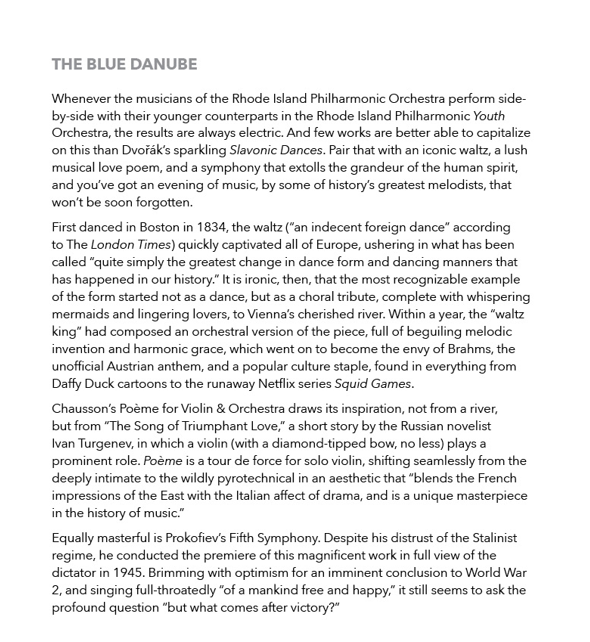
On January 24, Music Director Ruth Reinhardt and the Rhode Island Philharmonic Orchestra will present THE BLUE DANUBE with violinist Charles Dimmick.
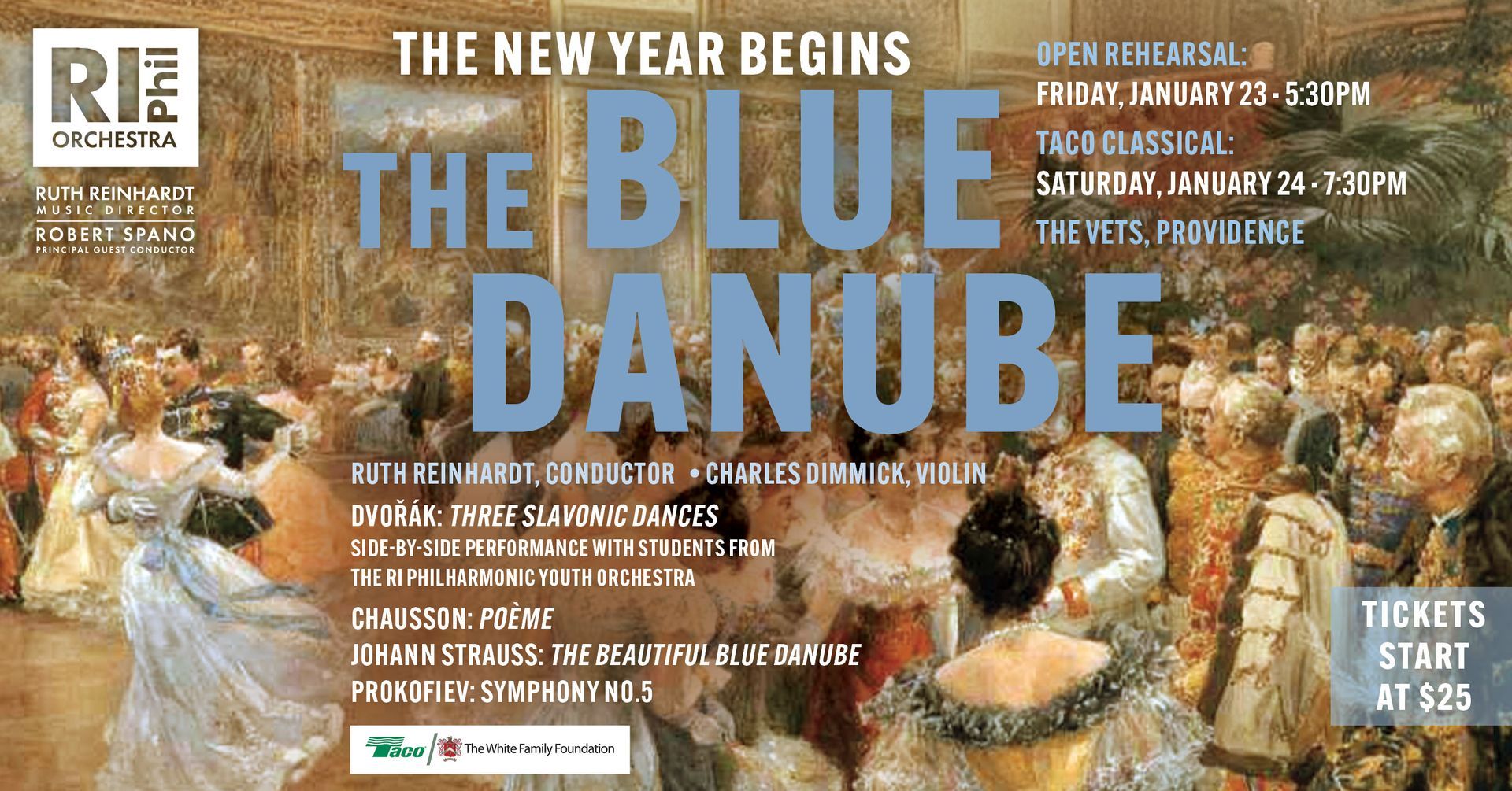
Title: Poème
Composer: Ernest Chausson (1855-1899)
Last time performed by the Rhode Island Philharmonic:
Last performed December 8, 1953 with Francis Madeira conducting and soloist Julian Olevsky. In addition to a solo violin, this piece is scored for two flutes, two oboes, two clarinets, two bassoons, four horns, two trumpets, three trombones, tuba, harp and strings.
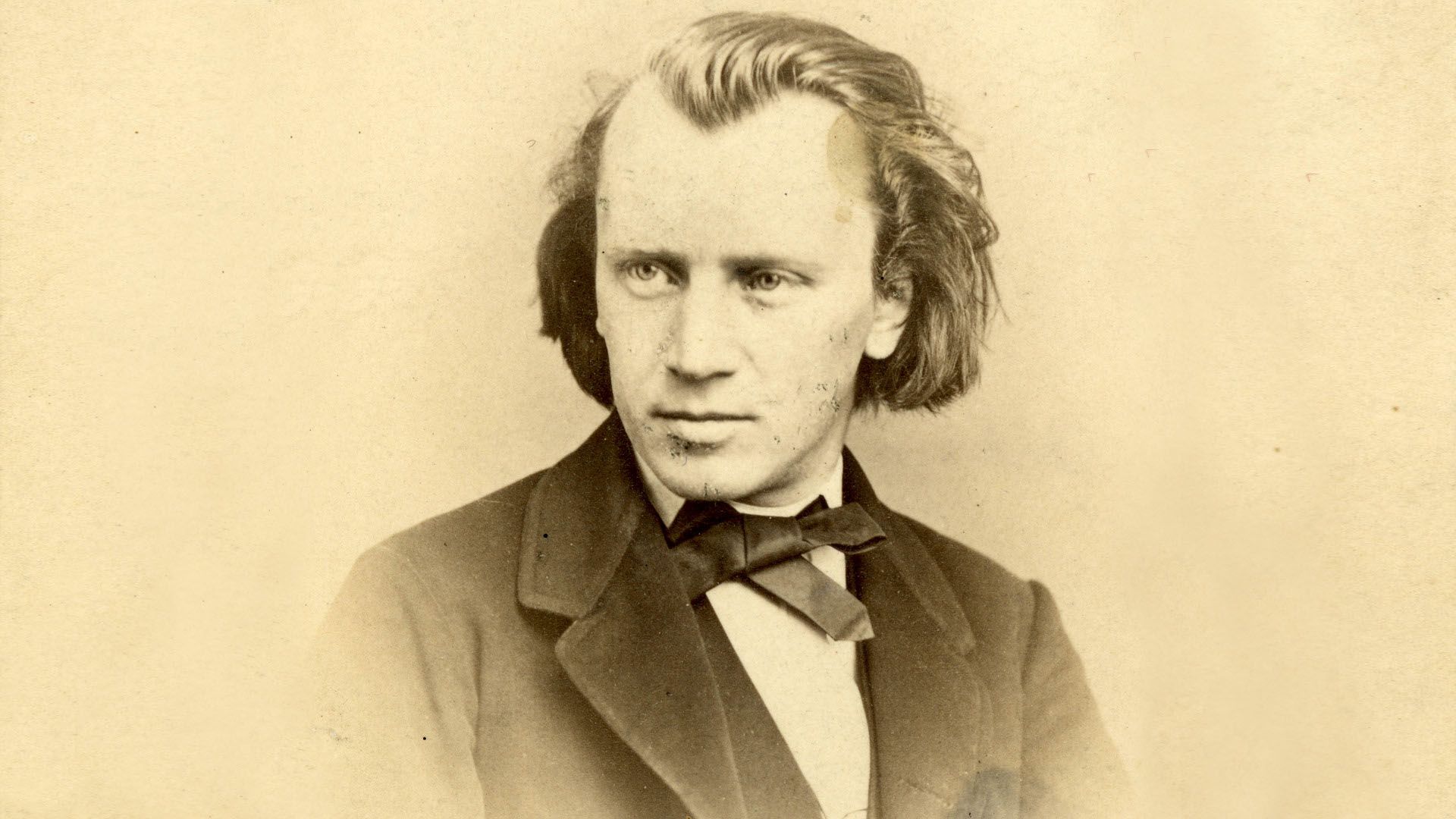
The Story: When Ernest Chausson died at the young age of 44, from injuries sustained in a bicycle accident, so ended the promise of the most distinctive voice in French music of his generation. His music forms a bridge between Cesar Franck's lush, Wagnerian Romanticism and the sensuous Impressionism of Claude Debussy. In fact, it was a performance of Wagner's Tristan und Isolde that inspired Chausson to leave a comfortable life as a lawyer and study composition at the Paris Conservatory. Despite his gentle, unassuming character, Chausson’s creative and generous spirit was infectious, and his salon soon became a hub for the Parisian musical community.
Among his friends was the renowned violinist, Eugène Ysaÿe, who asked him to write a new concerto. Chausson was daunted, calling concerto writing “the devil's own task,” but he did agree to write a free-form shorter work that would allow his friend to provide audiences with an unforgettable, indeed immersive, musical experience.
The result, simply titled
Poème, is a work of seamless form and supple structure, with a deeply emotional core. It so impressed the composer Isaac Albéniz (another friend), that the latter paid for it to be published out of his own pocket. The music is inspired by the steamy tale of a love triangle with mystical overtones found in Ivan Turgenev’s short story “Le Chant de l'amour triomphant." Specifically,
Poème
evokes a scene in which one of the suitors begins to play a violin (with a diamond-tipped bow) that he had procured from far India: “when Muzio began the final song, the very sound suddenly grew stronger and quivered resonantly and powerfully; a passionate melody poured out from beneath the broad sweeps of the bow, poured out in beautiful sinuous coils like that very snake whose skin covered the top of the violin; and the melody burned with such fire, was radiant with such triumphant joy, that both Fabio and Valeria were pierced to their very hearts and tears came into their eyes. Muzio, with his head bent forward, pressed over the violin, his cheeks grown pale and his brows drawn together in one straight line, seemed even more concentrated and solemn—and the diamond on the end of the violin bow shed sparkling rays as it moved, as if it had also been ignited by the fire of the wondrous song...”
It's unsurprising, then, that tone and expression are probably the holy grail for violinists who approach this piece. Technical challenges, such as an onslaught of double-stops, perfecting the intonation in the instrument’s highest register, and mastering quick shifts in vibrato speed, certainly abound. But they are just the beginning, a foundation from which to build the actual music. From its dark and intimate first notes to the freewheeling pyrotechnics of the last,
Poème, at its best, is a sensually gripping experience, for player and listener alike.
Program Notes by Jamie Allen © 2025 ALL RIGHTS RESERVED.
Recommended Recordings:
Chausson's Poème has been recorded by every major violinist, and all of them will please. The 1946 recording on Warner with the young Ginette Neveu stands out for her simultaneous lyricism and fire. These were defining characteristics of her artistry that ended tragically in 1949, age 30.
Tickets start at $25! Click HERE or call 401-248-7000 to purchase today!