THE STORY BEHIND: Dvořák's "Three Slavonic Dances"
Share
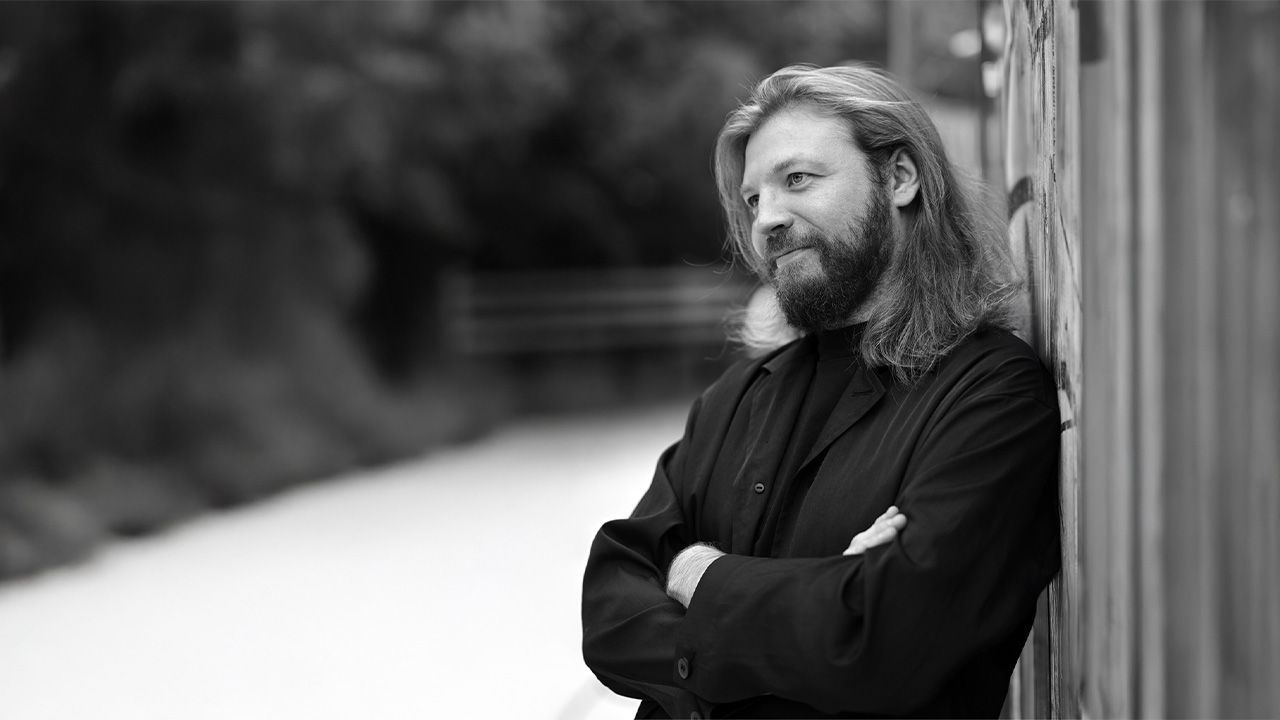
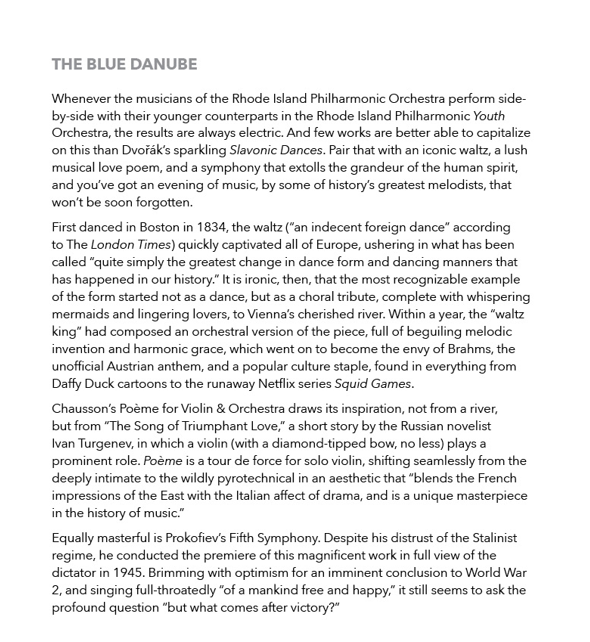
On January 24, Music Director Ruth Reinhardt and the Rhode Island Philharmonic Orchestra will present THE BLUE DANUBE with violinist Charles Dimmick.
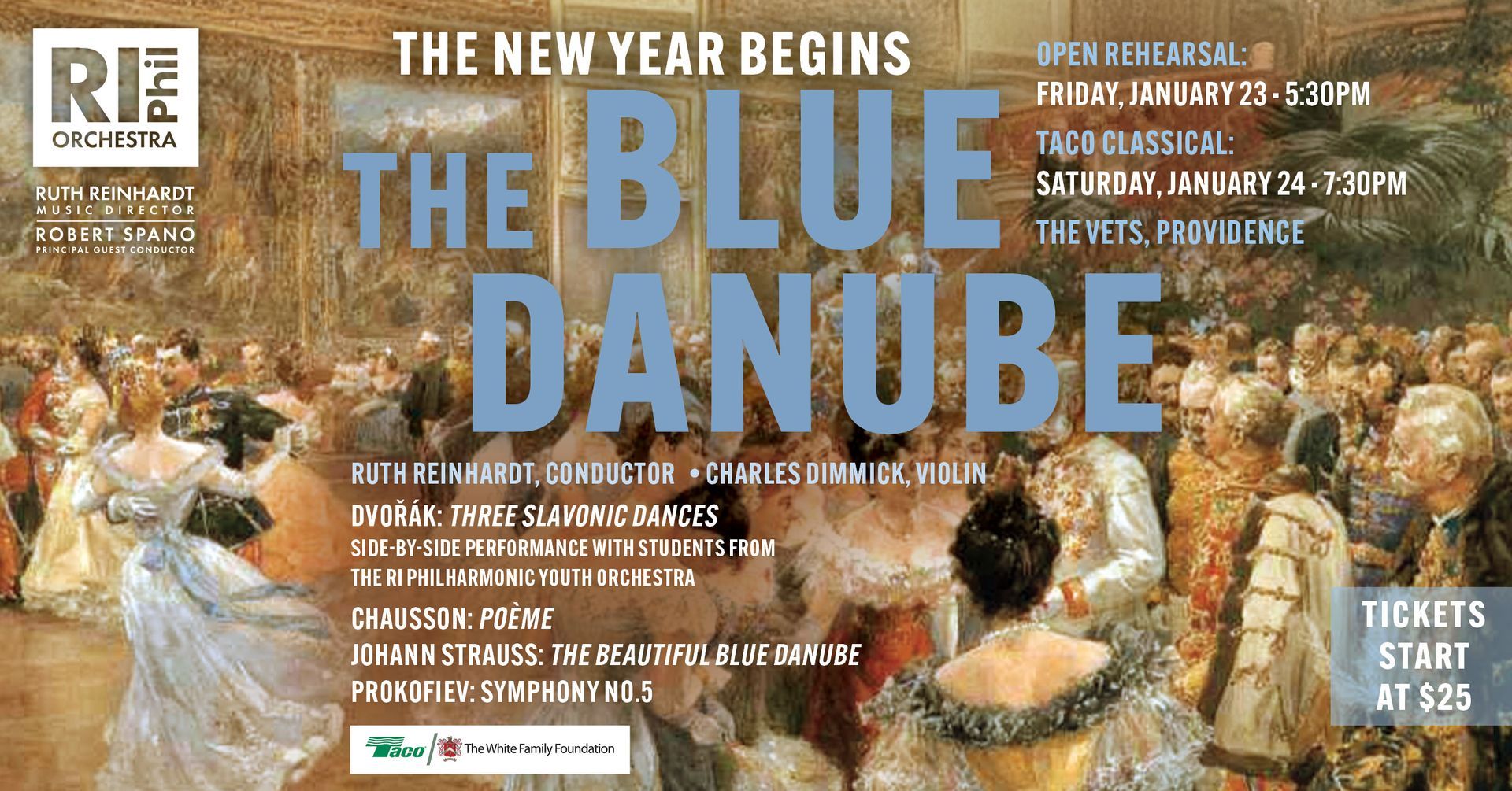
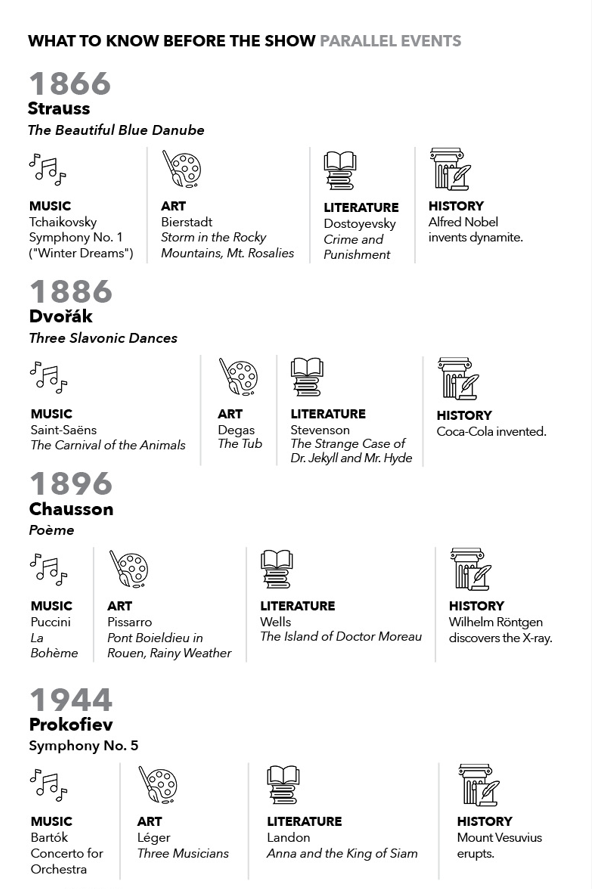
Title: Three Slavonic Dances
Composer: Antonin Dvořák (1841-1904)
Last time performed by the Rhode Island Philharmonic:
Dances Number 1 and 2 are RI Philharmonic Orchestra premieres. Dance Number 8 was last performed November 11, 1972 with Francis Madeira conducting. This piece is scored for piccolo, flute, two oboes, two clarinets, two bassoons, four horns, two trumpets, three trombones, timpani, percussion and strings.
The Story: Channeling the infectious energy and enthusiasm of a deeply musical culture in communal celebration, Dvořák’s Slavonic Dances provide an ideal vehicle for bringing experienced and aspiring musicians together for a side-by-side performance. These sparkling gems fairly overflow with rhythmic drive, pulsating percussion, and vibrant brass and woodwind melodies. They are also the catalyst that propelled a young and struggling Bohemian musician into the international spotlight.
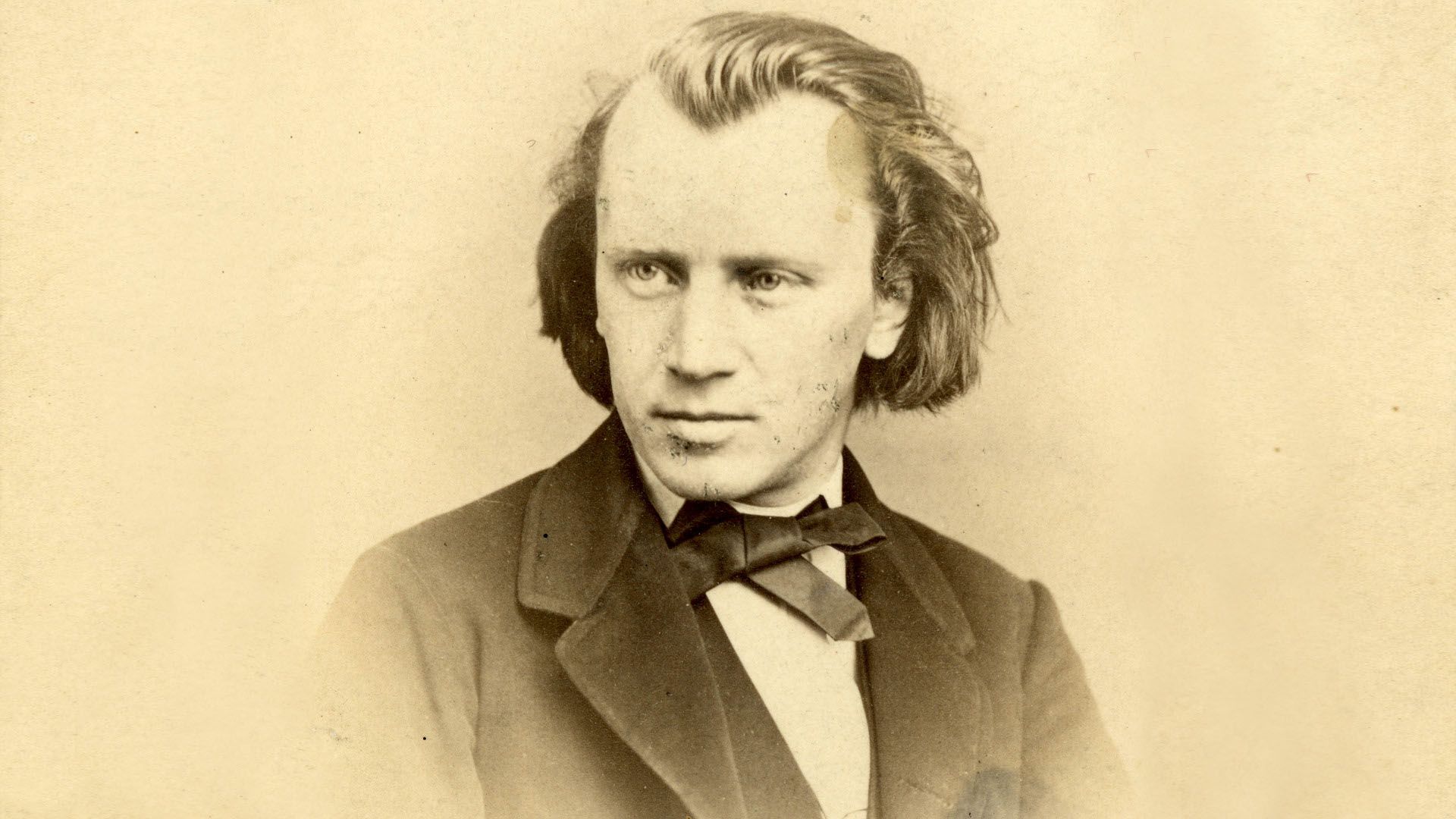
Throughout his 20s and early 30s, Dvořák had submitted piece after piece to the Austrian State Prize for composition, hoping to gain some success and recognition. His persistence finally paid off when panelist Johannes Brahms gave him the nod, and convinced his own publisher, Fritz Simrock, to take a chance on the young unknown from Prague.
Taking a page from the Brahms playbook, Dvořák leveraged the wild success of his mentor’s
Hungarian Dances
and penned his own set of
Slavonic Dances, opus 46, for two pianos. This turned out to be a brilliant move, as they flew off the retailers’ shelves, and Simrock soon requested that the composer write arrangements of the dances for orchestra as well. Happy to oblige, Dvořák had these ready in short order, and they quickly became beloved and enduring hallmarks of the romantic repertoire.
Unlike Brahms’ Hungarian ones, the
Slavonic Dances do not incorporate actual folk melodies—all the tunes are of the composer’s own invention, but the character is authentic enough to give the impression of good times on the village green. Dvořák emulates several different dance types from across the Slavic world. From the bold and brash
furiant
(opus 46, no.1), to the more melancholy and reflective Ukrainian dumka
(opus 72, no. 2) and back, Dvořák moves seamlessly between major and minor modes, with invigorating rhythms and catchy melodic figures. These pieces are lyrical and danceable all at once.
Program Notes by Jamie Allen © 2025 ALL RIGHTS RESERVED.
Recommended Recordings:
Dvořák's Slavonic Dances were owned by George Szell and the Cleveland Orchestra. They recorded them multiple times, but the stereo version on Sony is the one to hear.
Tickets start at $25! Click HERE or call 401-248-7000 to purchase today!