THE STORY BEHIND: Beethoven's Piano Concerto No.5 ("Emperor")
Share
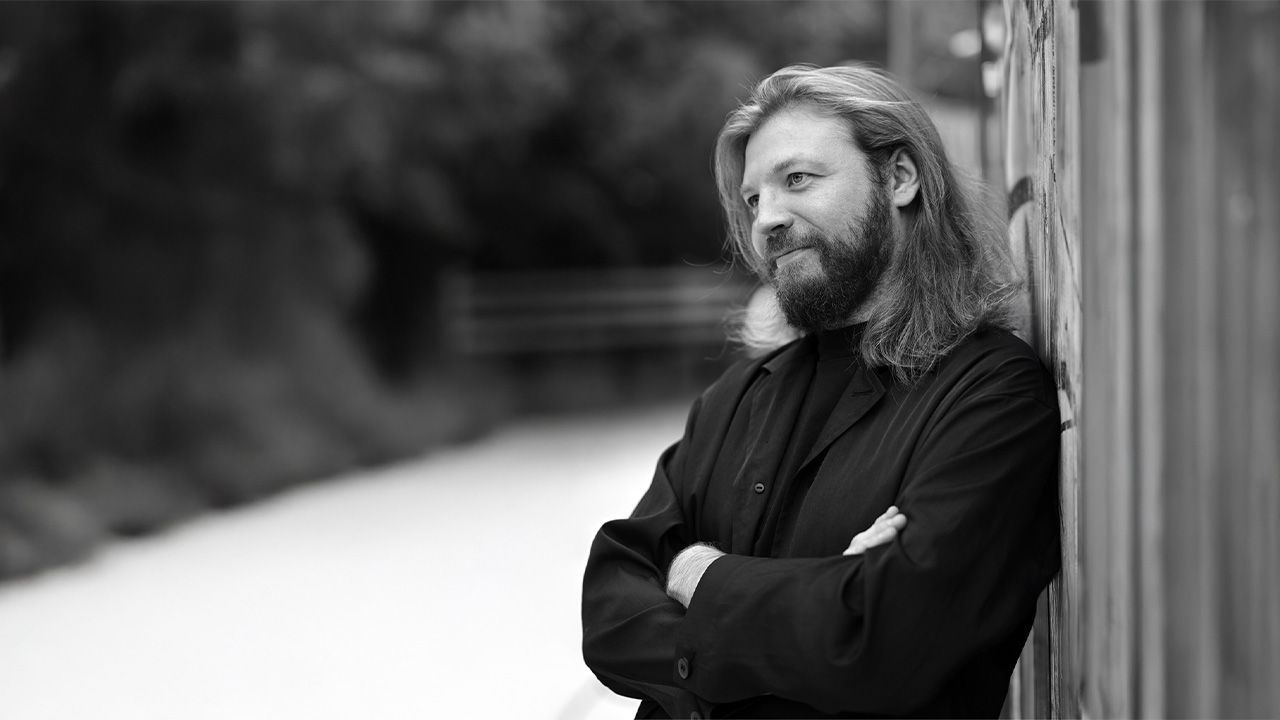
On October 16 & 17, Music Director Ruth Reinhardt and the Rhode Island Philharmonic Orchestra will present BRAHMS & BEETHOVEN with pianist Denis Kozhukhin.
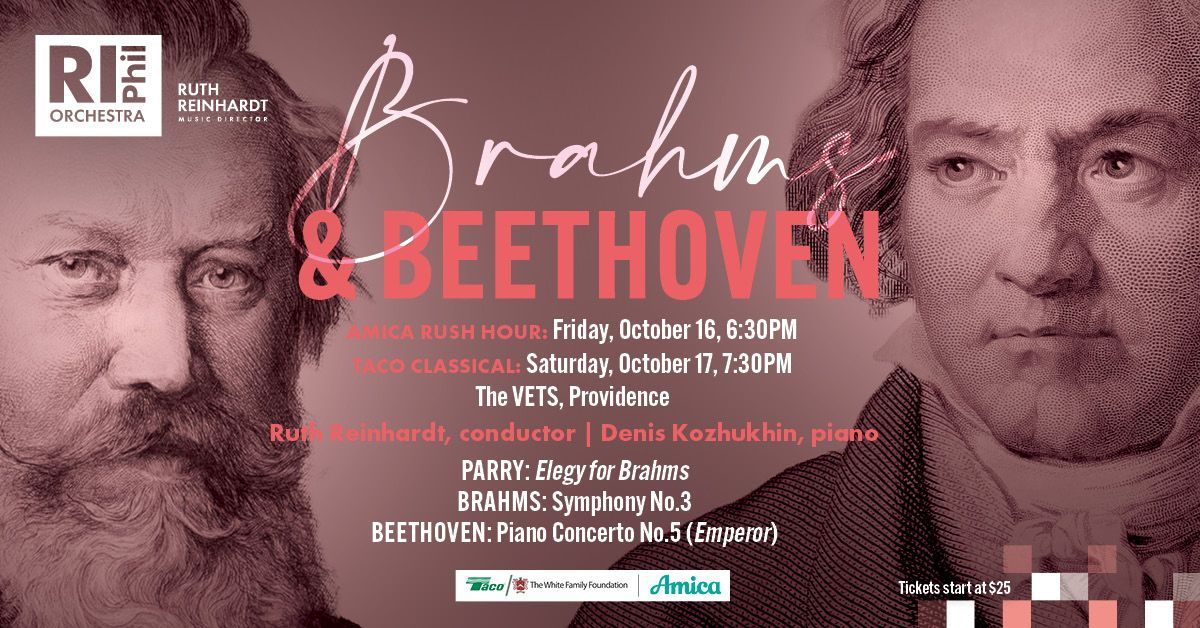
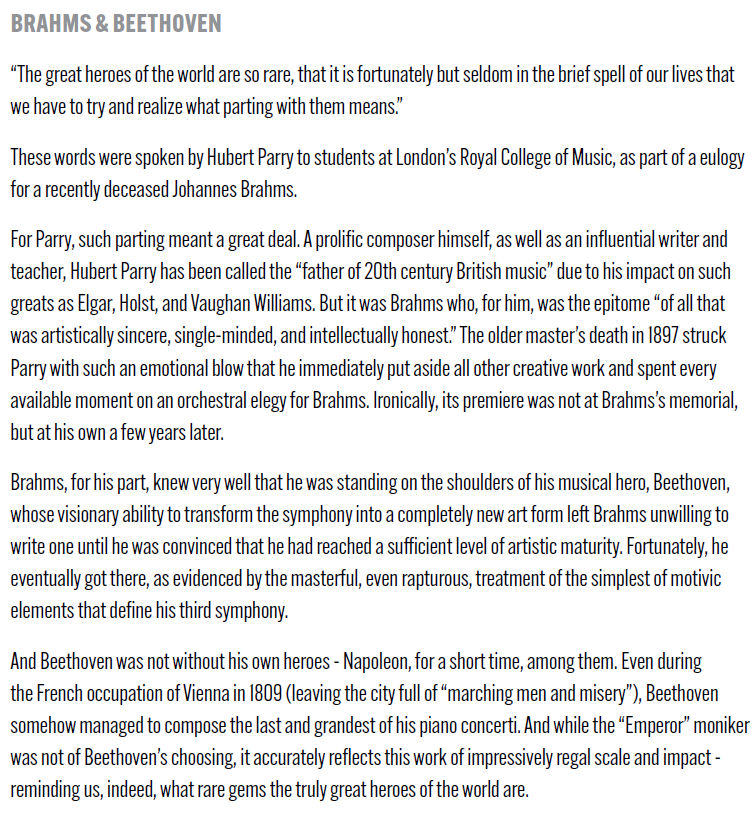
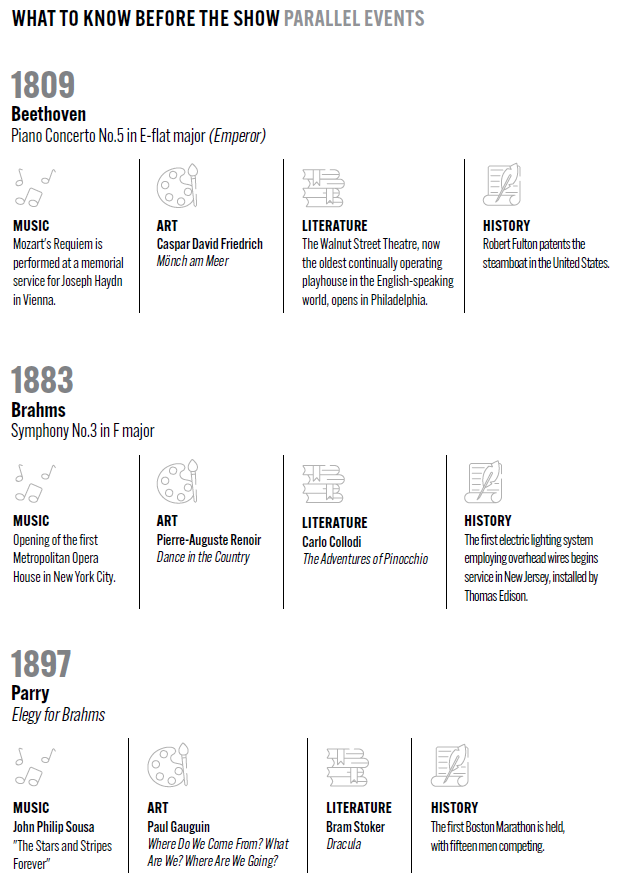
Title: Piano Concerto No.5 in E-flat major, op.73 (Emperor)
Composer: Ludwig van Beethoven (1770-1827)
Last time performed by the Rhode Island Philharmonic:
Last performed June 12, 2021 with Bramwell Tovey conducting and soloist Emanuel Ax. In addition to a solo piano, this piece is scored for two flutes, two oboes, two clarinets, two bassoons, two horns, two trumpets, timpani and strings.
The Story: “If I had to describe Beethoven’s ‘Emperor’ Concerto in a few words, I would call it a monumental work for piano and orchestra. In many ways it feels almost like a symphony, with the piano often leading rather than merely dominating.”
These are the words of this concert's soloist Denis Kozhukhin.
Composed as Beethoven’s deafness forced him to rely on “conversation books” to communicate, the Fifth Piano Concerto stands as a testament to his persistence and resolve. And although soloist and orchestra certainly share the work’s assertive energy, the piano is unmistakably its central protagonist.
Unlike most earlier concertos, this one introduces the soloist all at once, overturning the tradition of a lengthy orchestral exposition. After three commanding orchestral hammer strokes, the piano answers each time with an evermore surging cascade of notes. The orchestra then presents the stately main theme, followed by a quieter minor idea in the winds that the horns promptly recast in major. Throughout the rest of this expansive opening movement, soloist and orchestra engage in a dazzling, tightly woven dialogue.
The Adagio second movement offers Beethoven at his most exalted, with the piano’s delicate rising melody set against muted strings in music that resembles a hymn. In fact, Leonard Bernstein admired it so much that he borrowed its opening theme for the song “Somewhere” in
West Side Story.
“I have many favorite moments in this piece,” says Kozhukhin, “but if I had to choose one, it would be the beginning of the second movement. After the heroic, triumphant energy of the first, it suddenly shifts into something that feels almost like a dream—or even a quiet prayer. There is also a remarkable change of tonality at that point, which makes the contrast even more striking. For me, that moment is pure magic.”
This sublime, reflective mood lingers—no one is eager for it to end—but Beethoven must lead us to the finale, and he does so with characteristic ingenuity. A soft, sustained B natural in the bassoons and horns slips down to Bb, nudging the music toward the key of Eb, the concerto’s home key and the destination of the final movement. But there is mystery here: the piano introduces a completely new theme softly and deliberately, and then, without warning, we plunge straightway into a joyful wild rumpus of a last movement with the new theme as its subject.
And yet, Beethoven still has one more surprise in store: the intensity ebbs rather than builds, and a quiet exchange between piano and timpani portends a peaceful close. But that expectation is overturned by a triumphant orchestral outburst in Beethoven’s grandest style. The concerto then rushes to its conclusion and the piano’s offbeat theme rides above insistent orchestral rhythms, blazing brass, and emphatic timpani strokes. After a brief moment of reflection, the work ends with the same exuberance with which it began.
“It’s a piece full of contrasts and unexpected harmonic shifts,” concludes Kozhukhin, “but above all it carries an extraordinary sense of optimism. There is strength, vitality, and a kind of heroic energy in it—as if it reflects the struggle of life itself, and ultimately the triumph of overcoming it.”
Program Notes by Jamie Allen © 2026 ALL RIGHTS RESERVED.
Recommended Recordings:
The "Emperor" concerto is a summit for any pianist. Arthur Rubinstein recorded it three times, as did Claudio Arrau. Alfred Brendel essayed it four times, as did Rudolf Serkin. One's taste in pianists will likely determine one's preferred recording of the "Emperor." For many, the "must have" is Leon Fleisher's reading with George Szell and The Cleveland Orchestra on Sony Classical.
Tickets start at $25! Click HERE or call 401-248-7000 to purchase today!