THE STORY BEHIND: Dvořák's "The Wood Dove"
Share
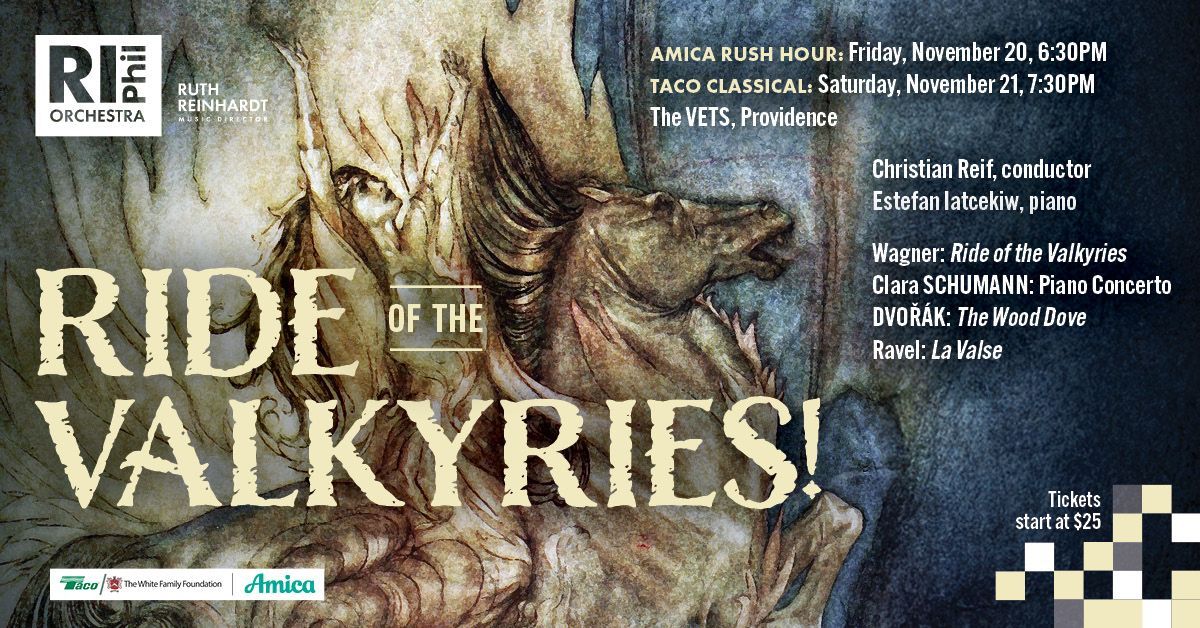
On November 20 & 21, conductor Christian Reif and the Rhode Island Philharmonic Orchestra will present RIDE OF THE VALKYRIES with pianist Estefan Iatcekiw.
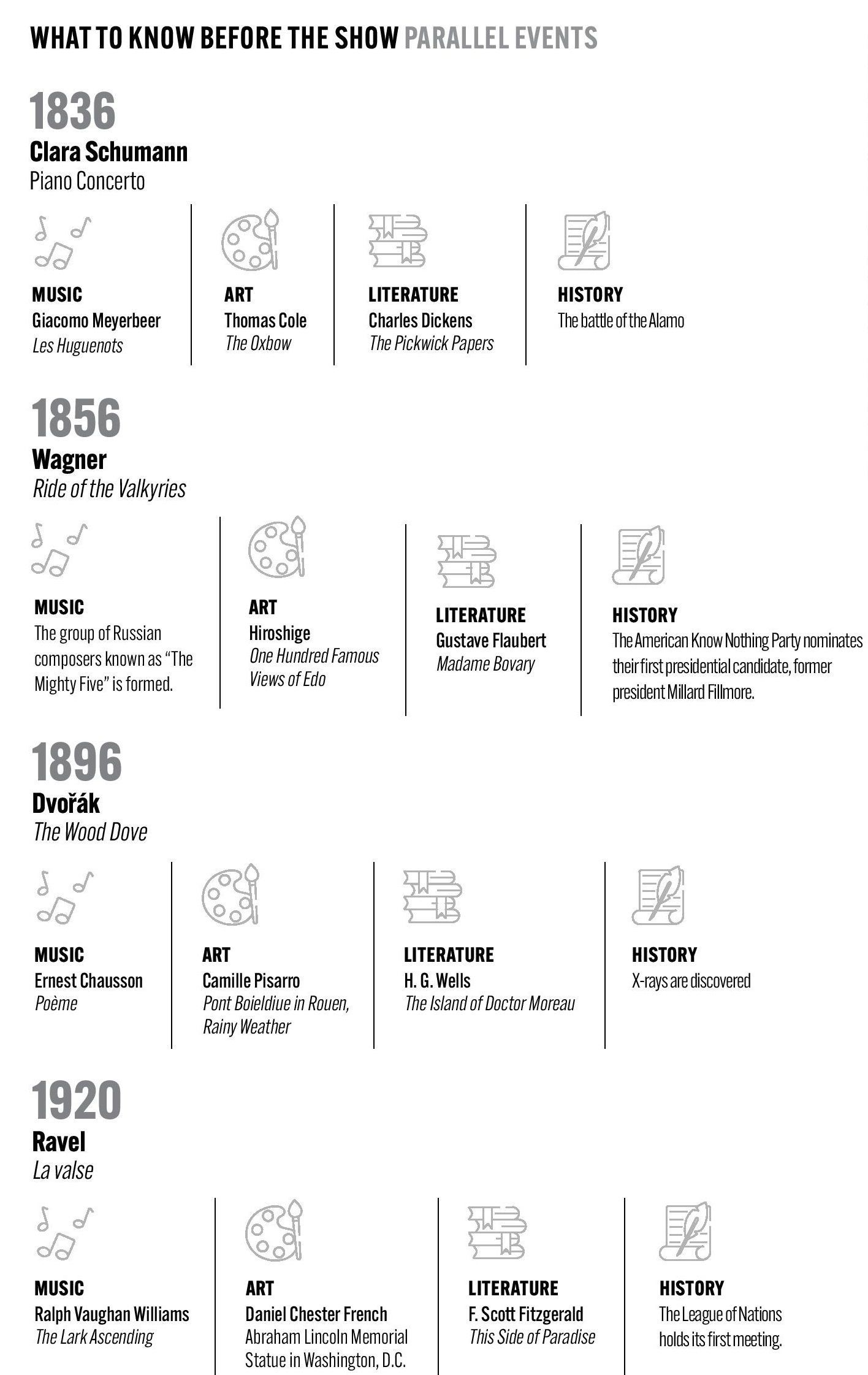
Title: The Wood Dove, op.110, B.198
Composer: Antonín Dvořák (1841-1904)
Last time performed by the Rhode Island Philharmonic:
This is a RI Philharmonic Orchestra premiere. This piece is scored for piccolo, two flutes, two oboes, English horn, two clarinets, bass clarinet, two bassoons, four horns, three trumpets, three trombones, tuba, timpani, percussion, harp and strings.
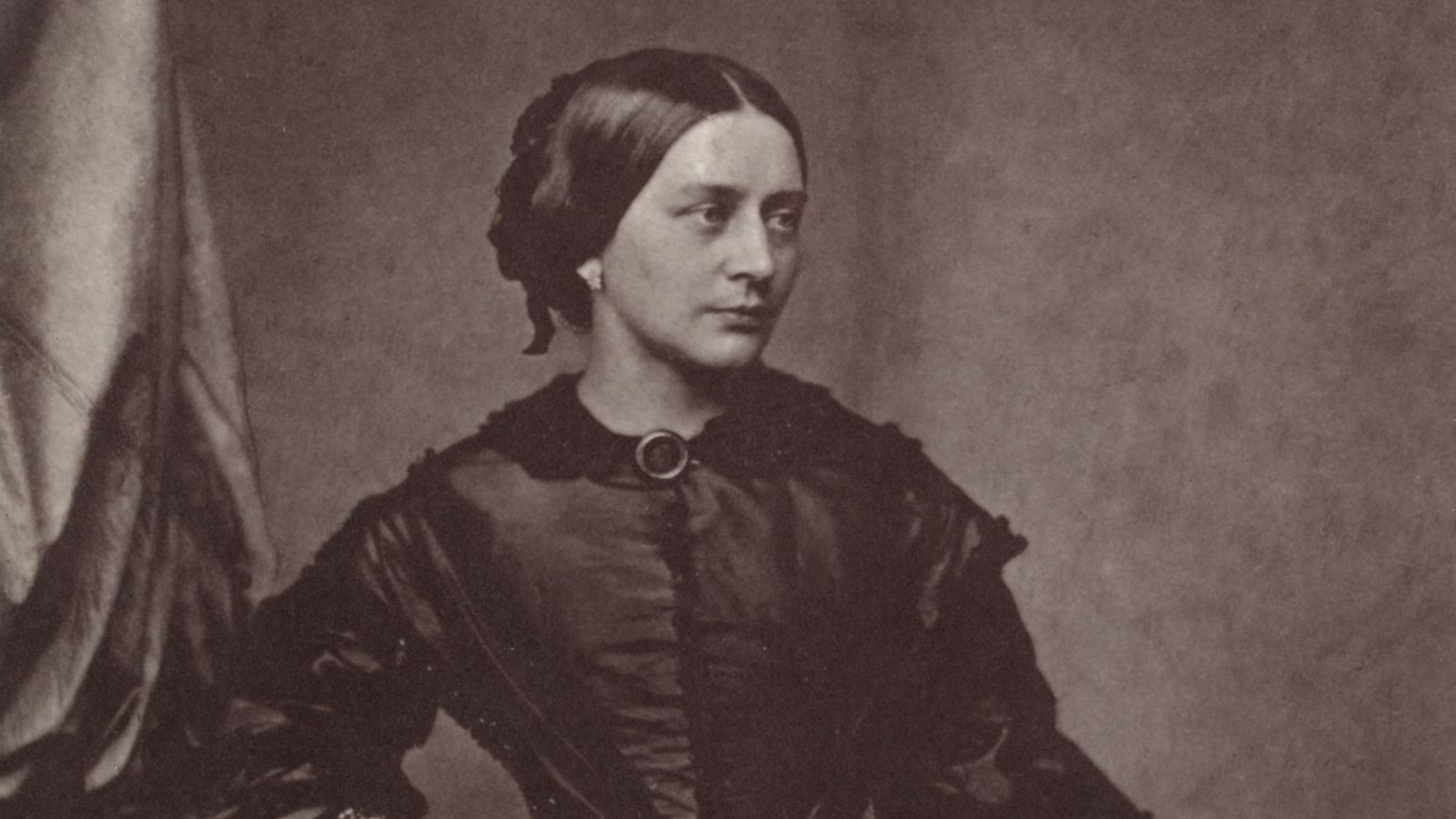
The Story: A musically gifted child of a Prague butcher, Antonín Dvořák soaked in the city’s rich musical life, including performances by Clara Schumann. Such an environment proved to be fertile soil for the composer who would soon become internationally recognized as the architect of a distinctly Bohemian musical voice, one that successfully brought authentic folk elements into the concert hall. American cultural leaders in the late nineteenth century recognized this and invited him to the New World in hopes that he would inspire students and colleagues to cultivate a similarly distinctive American music.
Yet despite the undeniable admiration he won in the United States, Dvořák could not remain away from home for long.
Upon his return to a loving wife, children, native language, and familiar surroundings, he wrote four distinctive symphonic poems in a
single year, all based on Czech fairy tales:
The Water Goblin, The Noon Witch, The Golden Spinning Wheel, and
The Wood Dove. These stories differ sharply from the fairy tales familiar to many modern American audiences; they are darker, stranger, and more unsettling, much like the work of Czech illustrator Adolf Born (if you don’t know him, look him up).
In these tales, innocent children often fall prey to sinister figures such as witches and water goblins.
The Wood Dove is no exception. It begins with a funeral march to the graveyard, where the grieving young widow is revealed to be her husband’s poisoner. She killed him in order to marry the handsome young suitor who appears in the next section, which become a rollicking Bohemian wedding. But the cheer is short-lived. A wild dove—the spirit of her murdered husband— returns to accuse her, with haunting and persistent cooing.
Not everyone admired these artistic choices. The influential Austrian critic Eduard Hanslick, until then a champion of Dvořák’s music, warned of the “dangers of this latest tendency”:
It is with a strange passion that Dvořák now indulges in ugly, unnatural, and ghastly stories which correspond so little to
his amiable character and to the true musician that he is.
Leoš Janáček, however, greatly admired the work. He conducted the premiere of
Wood Dove and offered this analytical description: “The widow, a ‘lovely rose,’ is accompanying her [deceased] husband on his last journey—Violoncellos and double basses mark the solemn strides of the funeral procession by a characteristic [dotted] rhythm…. Arching above this rhythm, cast in two voices, is the plaintive melody in violins and flutes, whose beginning, variously altered, appears many times throughout the composition.”
The central “wedding” section, reminiscent of Dvořák’s
Slavonic Dances, bursts into an exuberant dance driven by winds, brass, and even bagpipe-like drones in the cellos and basses. But sudden, dissonant tremolos signal that something is amiss. A wood dove’s ominous cooing appears in the flutes, followed by threatening sounds in the bass clarinet, which, in Janáček’s words, seems to sing: “Stop cooing, stop calling, stop howling into my ear: Your cruel song is piercing my soul!” By this point, the wife is overwhelmed by remorse, and her self-destruction is imminent.
Janáček considered this “the truly dramatic part of the composition.” We can almost see the widow hurl herself in despair into the cold, rushing water, with flashes of her white dress visible between the waves. In Janáček’s words, “The unlucky woman tried to find herself a grave.” The mournful funeral music returns, now joined by the dove’s merciless call.
Janáček continues: “The hollow sounds of the flutes…are filled by the dark clarinet and…the trembling tone of the harp. Under the heavy [chorale] chords pressing against one another we can almost feel the heavy stone weighing down on the unfortunate woman’s body. ‘Yet no stone can ever be as heavy as the curse attached to her name!’”
As Janáček’s comments suggest, the work’s power is due, in large part, to Dvořák’s masterful orchestration. Using a traditional orchestra with only subtle touches of harp, bells, and triangle, he creates sounds that are often truly breathtaking.
Program Notes by Jamie Allen © 2026. ALL RIGHTS RESERVED.
Recommended Recordings:
For Dvořák's The Wood Dove, or any of the orchestral works by the composer, Rafael Kubelik and the Bavarian Radio Symphony (Deutsche Grammophon) dependably satisfy.
Tickets start at $25! Click HERE or call 401-248-7000 to purchase today!