THE STORY BEHIND: Clara Schumann's Piano Concerto
Share
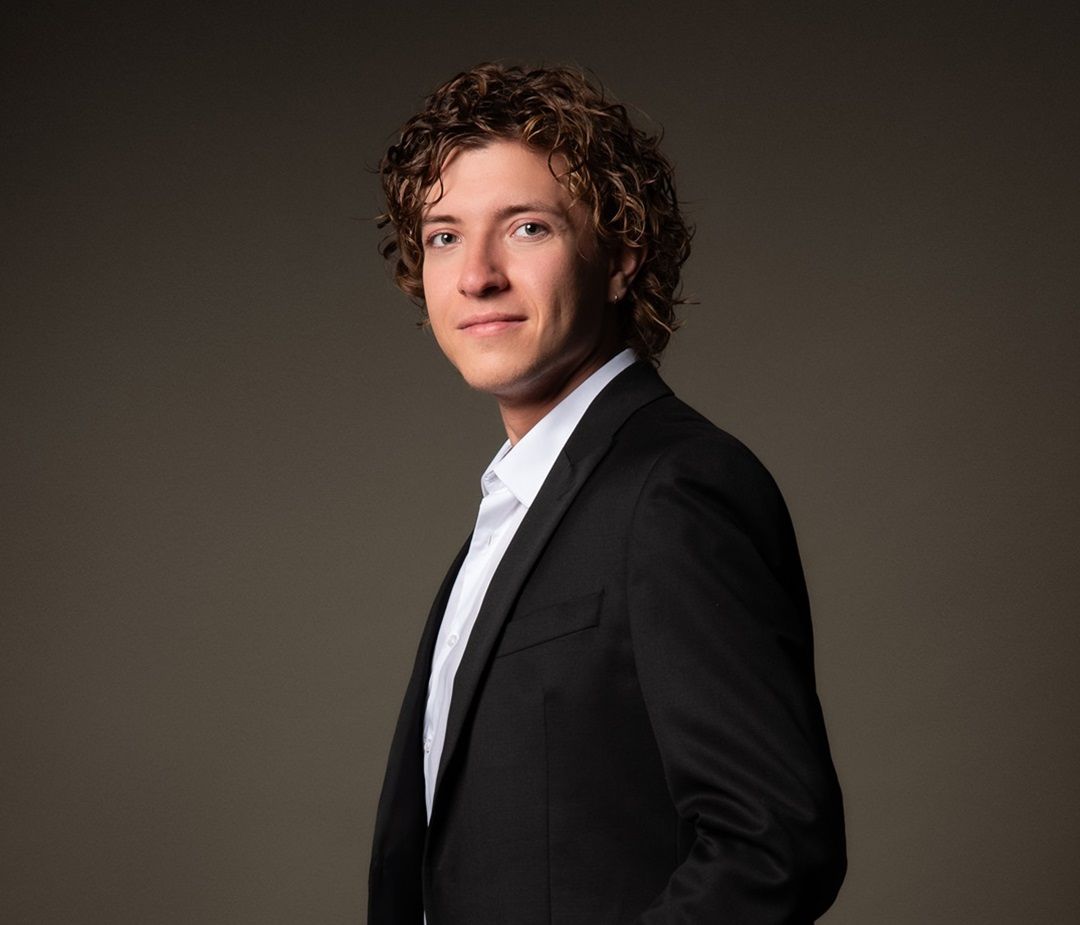
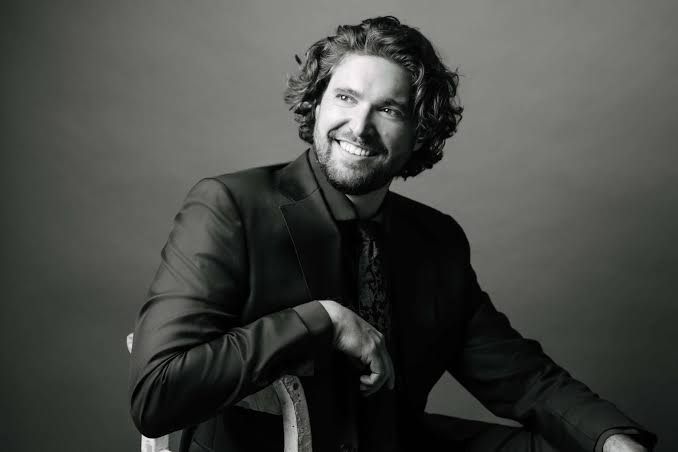
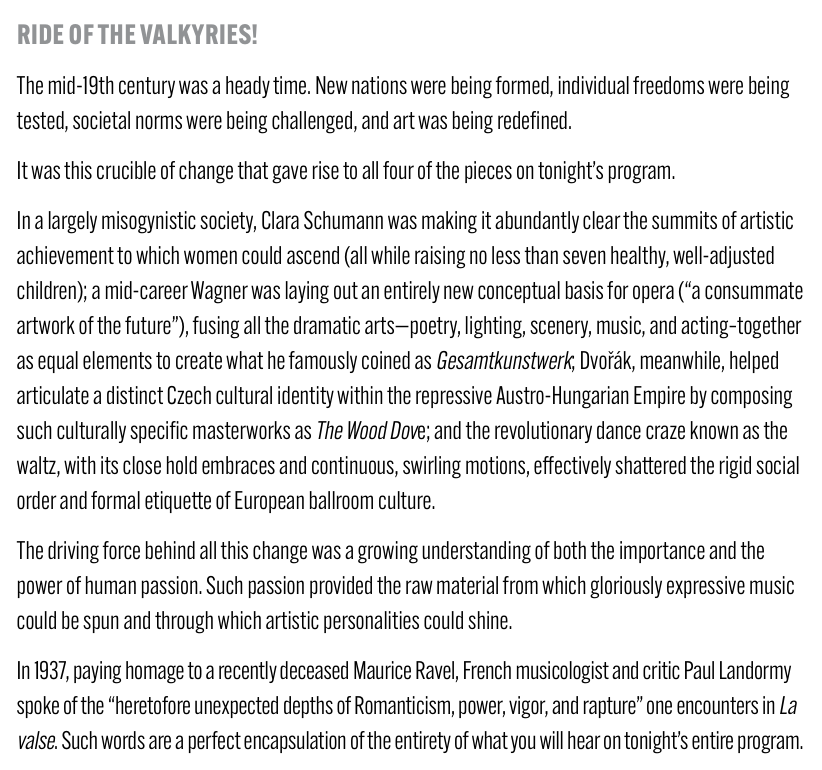
On November 20 & 21, conductor Christian Reif and the Rhode Island Philharmonic Orchestra will present RIDE OF THE VALKYRIES with pianist Estefan Iatcekiw.
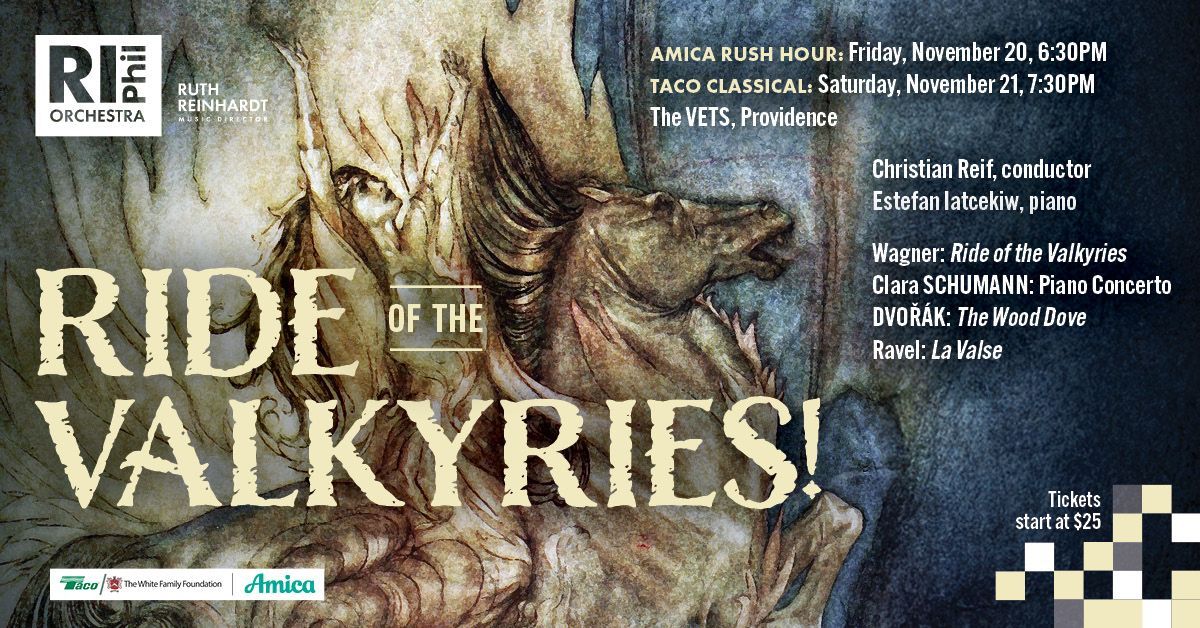
Title: Piano Concerto in A minor, op.7
Composer: Clara Schumann (1819-1896)
Last time performed by the Rhode Island Philharmonic:
This is a RI Philharmonic Orchestra premiere. In addition to a solo piano, this piece is scored for two flutes, two oboes, two clarinets, two bassoons, two horns, two trumpets, trombone, timpani and strings.
The Story: “I once believed that I possessed creative talent, but I have given up this idea; a woman must not desire to compose—there has never yet been one able to do it. Should I expect to be the one?”
Clara Wieck Schumann must have written these words in a moment of discouragement, for she was unquestionably a gifted composer whose works were respected in her lifetime and remain highly regarded today. The challenge was not a lack of talent, but that she was celebrated above all as one of the great pianists of the nineteenth century, a musician equal to any of her peers and a trailblazer who helped define the standards of performance, repertoire, and artistic integrity expected of virtuoso pianists. The story is not a unique one. Performers at the highest level of performance have often struggled to gain equal recognition as composers. Schumann also lived in the shadow of her husband, Robert, whose music she championed with devotion. Not only was she his artistic partner and collaborator, she also bore him eight children, raised the seven who survived, helped care for her grandchildren, managed the household, earned the family income, paid the bills, and toured across Europe to great acclaim.
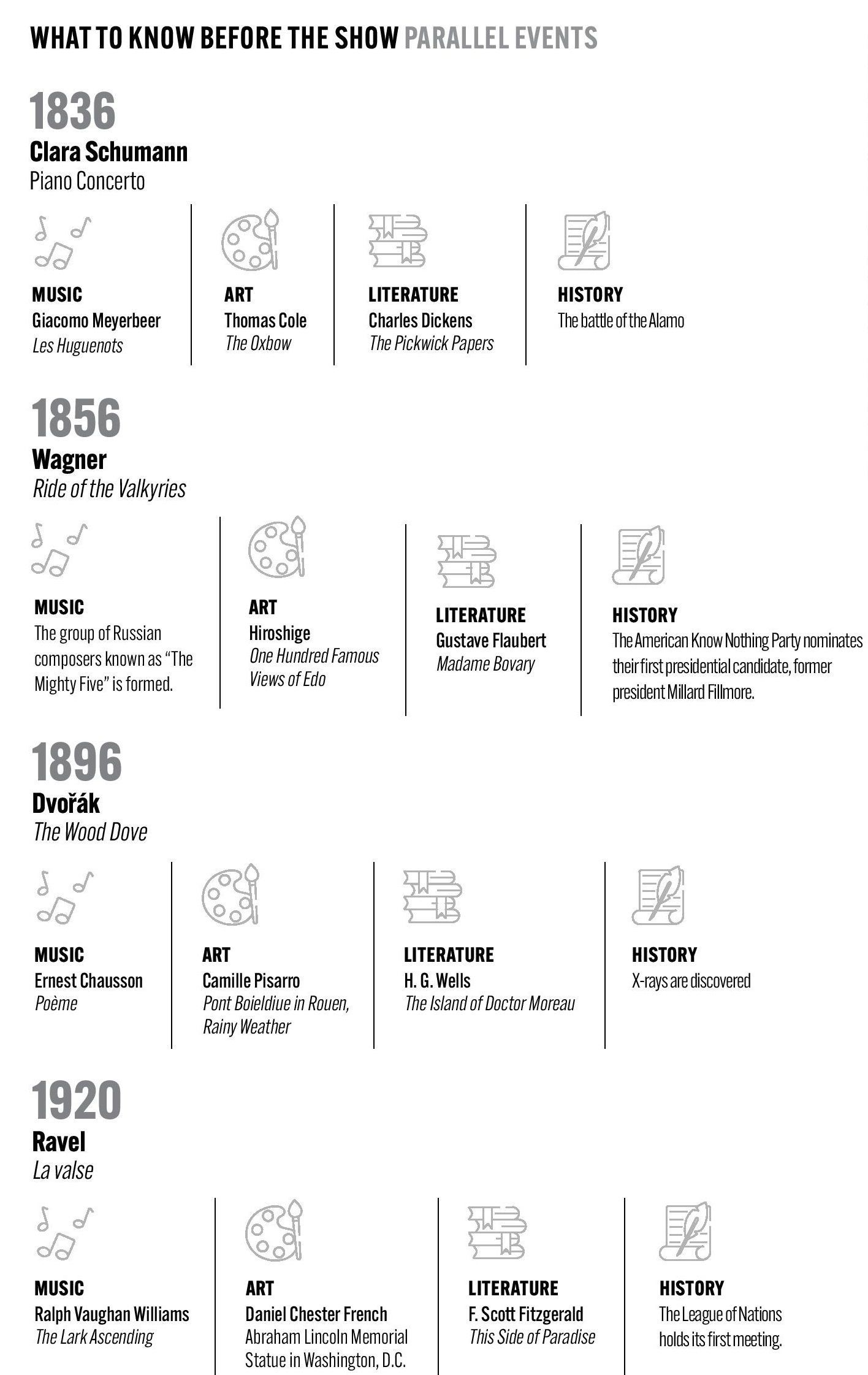
Schumann completed, published, and premiered her Piano Concerto in 1836, when she was just sixteen (!). But that remarkable fact doesn’t quite tell the whole story. She began the work three years earlier - composing the finale first, with considerable help from Robert, who also orchestrated it. She had initially conceived that movement as a stand-alone piece, but then expanded it into a concerto by adding the first and second movements, which she orchestrated herself. The concerto reveals the qualities one might expect from so young and accomplished a performer: brilliant and demanding piano writing, adventurous and colorful harmonies, a vivid imagination, and, above all, a daring and unconventional command of form.
The first movement opens with a bold statement of the main theme, followed by a flourish from the solo piano. Soon the pianist presents the full theme alone, without orchestral support. Florid passagework worthy of Liszt leads to a second theme, but there are questions. Is this sonata form? Some sort of theme & variations? The answer remains unsettled, for the structure is strikingly original and hard to define. The second theme then begins in the expected key, but quickly veers away, never to return. A development-like passage follows, with echoes of earlier themes and harmonic detours through Ab, F minor, and E major. Yet there is no true recapitulation. Instead, the mood softens, the tempo relaxes, and the movement fades into a slow ascending arpeggio that leads directly to the graceful Romanze in Ab—a distant key from the concerto’s home key of A minor.
After a brief harmonic detour, the music returns to the home key with a sublime cello solo over piano figuration (those familiar with Brahms’s Second Piano Concerto may detect a bit of foreshadowing here). The cello carries the movement to its close, and soft timpani lead into the energetic finale, heralded by the trumpets.
Compared with the more modest scale and mood of the first two movements, the finale is clearly the concerto’s largest and most forceful movement, reversing the usual balance of a concerto. In most concertos, the first movement carries the greatest weight, while the last releases the tension with lighter, more sparkling energy. Not here. It is easy to understand why Clara first imagined this movement as an independent virtuoso
tour de force for piano and orchestra. Many hear a Chopin-esque Grand Polonaise in its rhythm and drive. Yet, true to her flexible treatment of form in the first movement, she crafts the finale as a rondo unencumbered by rules. In the end, what matters most is the music’s impact: this dynamic finale is exhilarating, entertaining, and compelling evidence of the extraordinary technical command of a remarkably young artist. By this point in her life, Clara Schumann was already an experienced and admired performer in the fiercely competitive world of piano virtuosi, and this imaginative closing movement is dazzling proof of it.
Program Notes by Jamie Allen © 2026. ALL RIGHTS RESERVED.
Recommended Recordings:
Clara Schumann's Piano Concerto is taken earnestly by Veronica Jochum (daughter of the conductor Eugen Jochum) in a recording that has been licensed by several labels over the years.
Tickets start at $25! Click HERE or call 401-248-7000 to purchase today!